In modern dance, “fall and recovery” describes the natural cycle of losing balance and finding it again. Dancer and author Joanne De Simone brings this concept into everyday life, offering a powerful framework for caregivers and parents raising children with disabilities. Instead of viewing setbacks as failures, she invites us to see them as part of a rhythm, a movement pattern that every human experiences.
For many caregivers, life can feel like a series of falls: exhaustion, emotional overload, medical crises, school battles, or moments when the weight of responsibility becomes too heavy to carry. Joanne’s perspective reframes these moments. A fall isn’t a collapse; it’s a shift. And recovery isn’t a return to perfection; it’s a return to center, however that looks for you.
The Body Knows What It Means to Fall
Joanne explains that dancers train to fall safely, intentionally, and repeatedly. They learn how to release into gravity rather than fight it, and how to rise again with strength and awareness. This physical practice mirrors the emotional experience of caregiving. When we stop expecting ourselves to stay upright at all times, we create space for compassion, flexibility, and rest.
Caregivers often push through exhaustion because they feel they have no choice. But the body and the nervous system can only sustain that for so long. Recognizing a “fall” early can prevent deeper burnout. It can also help caregivers respond with gentleness rather than self‑criticism.
Recovery Doesn’t Have to Be Dramatic
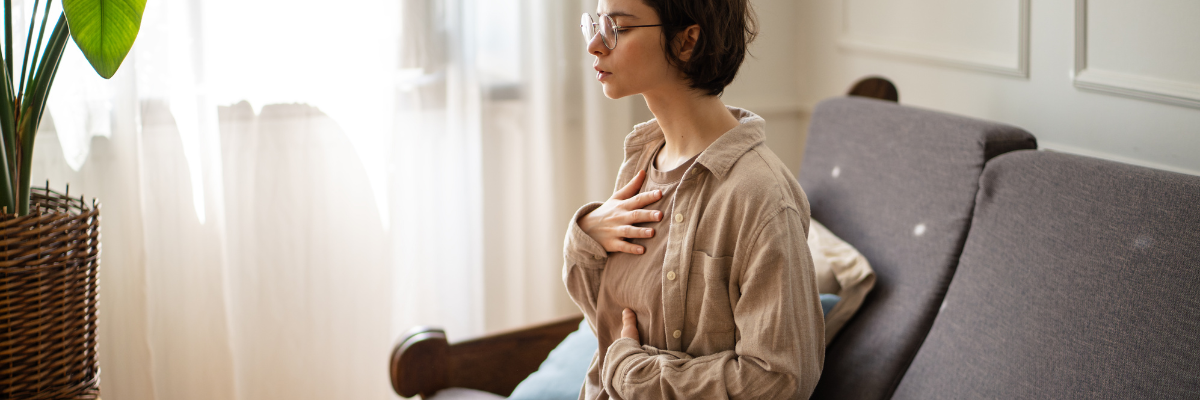
Recovery can be small. It can be a breath, a pause, a moment of grounding, or a shift in perspective. Joanne emphasizes that recovery is not about bouncing back instantly or pretending everything is fine. It’s about finding a way to move forward that honors your limits and your humanity.
For some caregivers, recovery might look like asking for help. For others, it might be stepping outside for fresh air, journaling, stretching, or simply acknowledging that the day has been hard. These small recoveries accumulate, building resilience over time.
Movement as a Tool for Emotional Regulation
Joanne also highlights the connection between physical movement and emotional processing. Gentle movement like walking, stretching, rocking, and swaying can help regulate the nervous system, especially during moments of feeling overwhelmed. For caregivers who spend much of their day in high‑alert mode, these practices can offer a sense of grounding and release.
Movement doesn’t have to be structured or artistic. It just needs to be intentional. Even a few minutes can shift the body out of tension and into a more regulated state.
A Framework for Caregivers
The idea of fall and recovery offers caregivers a compassionate lens through which to view their daily lives. It acknowledges the reality of exhaustion and emotional strain while also honoring the strength it takes to keep going. Most importantly, it reminds caregivers that recovery is always possible even if it looks different each time.
Watch the Full Podcast Episode
This article is based on a 2 Moms No Fluff podcast episode which is part of our ongoing podcast series offering an uncensored, often irreverent look at raising children with disabilities and proudly sponsored by 1in6 Support. You can watch the full conversation on this topic here.